
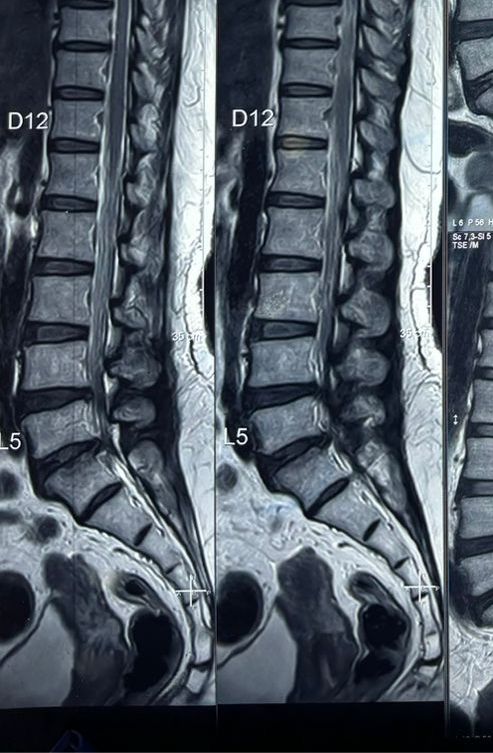
ABout Spine Surgery
Spine surgery encompasses highly advanced surgical procedures designed to alleviate severe back or neck pain, correct structural deformities, and decompress pinched spinal nerves. Utilizing modern, ultra-precise micro-surgical techniques and real-time intraoperative neural monitoring, spine surgery safely stabilizes the spinal column and restores nerve pathway integrity.
- Advanced Surgical Techniques
- Personalized Treatment Plans
- Faster Recovery Support
- Long-Term Pain Relief
- Improved Joint Function
- Comprehensive Post-Surgery Care
When is Spine Surgery Needed?
Spine surgery is commonly recommended when progressive spinal cord or nerve root compression causes persistent, excruciating pain or neurological decline that fails to improve with non-surgical options.
Severe, Shooting Sciatica
When an aggressive herniated disc pinches a nerve, sending electric, burning pain from the lower back entirely down your leg.
Spinal Stenosis Claudication
When the narrowing of the spinal canal compresses nerves, causing heavy numbness and cramping in both legs after walking short distances.
Progressive Nerve Weakness
When a pinched nerve causes visible muscle wasting, arm weakness, clumsiness in hands, or a physical inability to lift your foot (foot drop).
Structural Spine Instability
When a spinal bone slips completely forward over another (spondylolisthesis), causing severe, localized mechanical back pain.
Benefits of Spine Surgery
Knee Replacement Surgery can significantly improve immediate relief or elimination of severe radiating nerve pain, numbness, and burning sensations in the extremities. Also stabilizes weak bone structures, and significantly improves sitting, standing, and walking tolerances.
- Reduced Joint Pain
- Improved Mobility
- Better Daily Comfort
- Enhanced Stability
- Improved Quality of Life
- Long-Term Relief
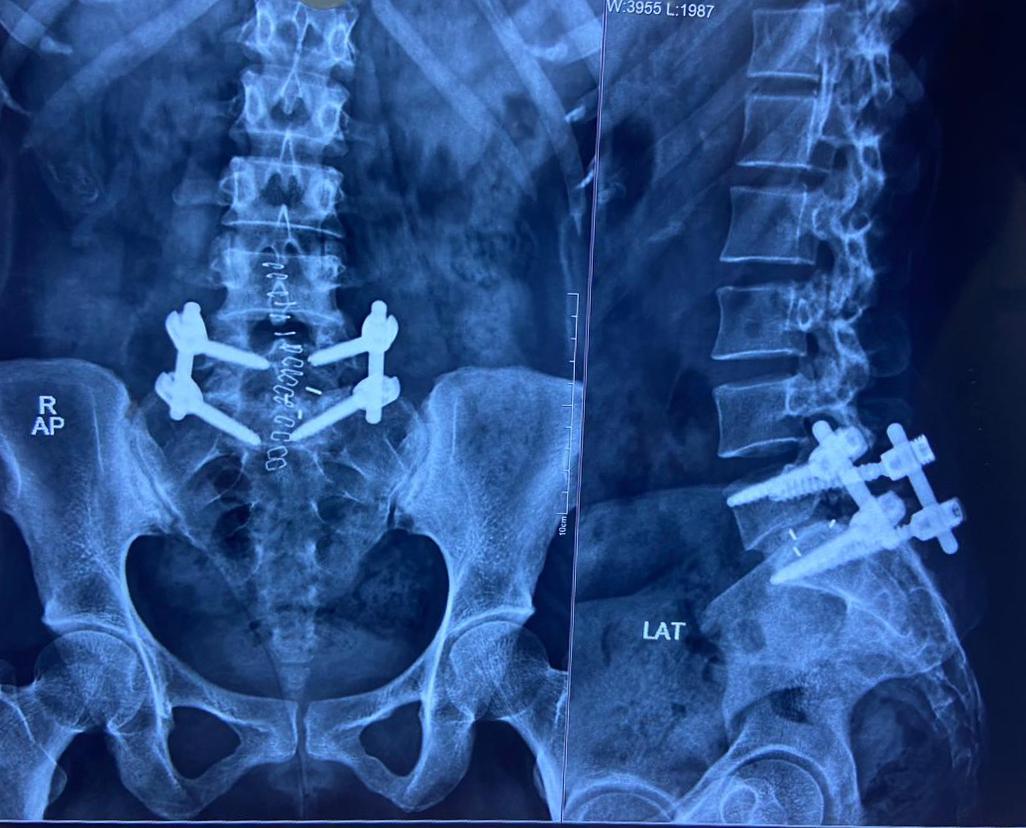
Spine Surgery Treatment Process
A structured approach focused on precision, recovery, and long-term mobility
1
Consultation & Diagnosis
Comprehensive evaluation and imaging to understand the condition and plan the right treatment approach.
2
Pre-Surgical Planning
Comprehensive evaluation and imaging to understand the condition and plan the right treatment approach.
3
Advanced Surgical Procedure
Comprehensive evaluation and imaging to understand the condition and plan the right treatment approach.
4
Recovery & Rehabilitation
Comprehensive evaluation and imaging to understand the condition and plan the right treatment approach.
Frequently Asked Questions
Find answers to common question regarding knee replacement surgery, recovery, and treatment planning.
Does all back pain require spine surgery?
No, over 90% of back pain cases resolve safely with non-surgical treatments. Surgery is strictly reserved for specific structural or neurological issues.
What is the risk of paralysis in modern spine surgery?
Due to advanced high-definition microscopes, specialized instruments, and real-time neural monitoring, the risk is exceptionally low (well under 1%).
How long is the typical hospital stay after surgery?
For minimally invasive micro-discectomies, patients often go home the next day. Spinal fusions may require 2 to 4 days of hospital observation.
When can I return to heavy lifting or bending?
Bending and twisting are restricted for the first 6 weeks. Heavy lifting can gradually be resumed after 3 to 6 months as the spine solidifies.