
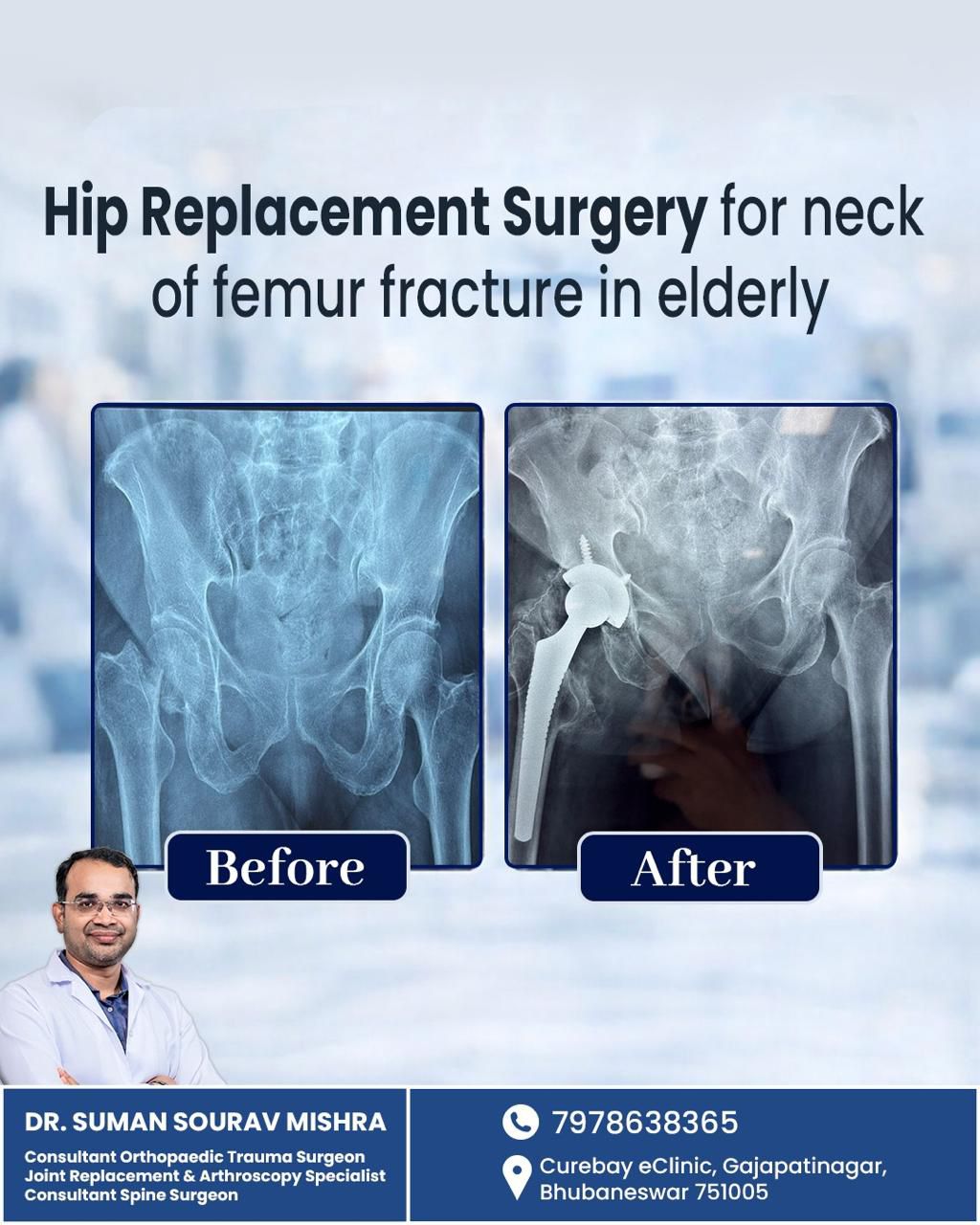
ABout Hip Replacement Surgery
Hip replacement surgery is a highly successful procedure where a damaged or diseased hip joint is replaced with a durable artificial implant. Designed to replicate natural, fluid joint movement, this surgery eliminates chronic pain and dramatically improves physical function, allowing patients to return to a vibrant, active lifestyle.
- Advanced Surgical Techniques
- Personalized Treatment Plans
- Faster Recovery Support
- Long-Term Pain Relief
- Improved Joint Function
- Comprehensive Post-Surgery Care
When is Hip Replacement Surgery Needed?
Knee Replacement surgery is commonly recommended for patients experiencing advanced hip osteoarthritis, rheumatoid arthritis, avascular necrosis, or severe hip fractures that prevent standard walking, bending, or sleeping.
Advanced Osteoarthritis
When severe bone-on-bone friction from cartilage wear causes excruciating groin or hip pain during walking or standing.
Failed Conservative Therapy
When pain remains completely unmanageable despite trying physical therapy, pain medications, and intra-articular joint injections.
Avascular Necrosis (AVN)
When a temporary or permanent loss of blood supply to the femoral head causes the hip bone to collapse and deform.
Severe Night Pain & Stiffness
When constant throbbing prevents you from getting a full night’s sleep and causes extreme morning stiffness that limits bending.
Benefits of Hip Replacement Surgery
Hip Replacement Surgery can significantly improve leg-length discrepancies caused by joint degradation, protects surrounding joints from compensatory strain, and vastly enhances overall quality of life.
- Reduced Joint Pain
- Improved Mobility
- Better Daily Comfort
- Enhanced Stability
- Improved Quality of Life
- Long-Term Relief
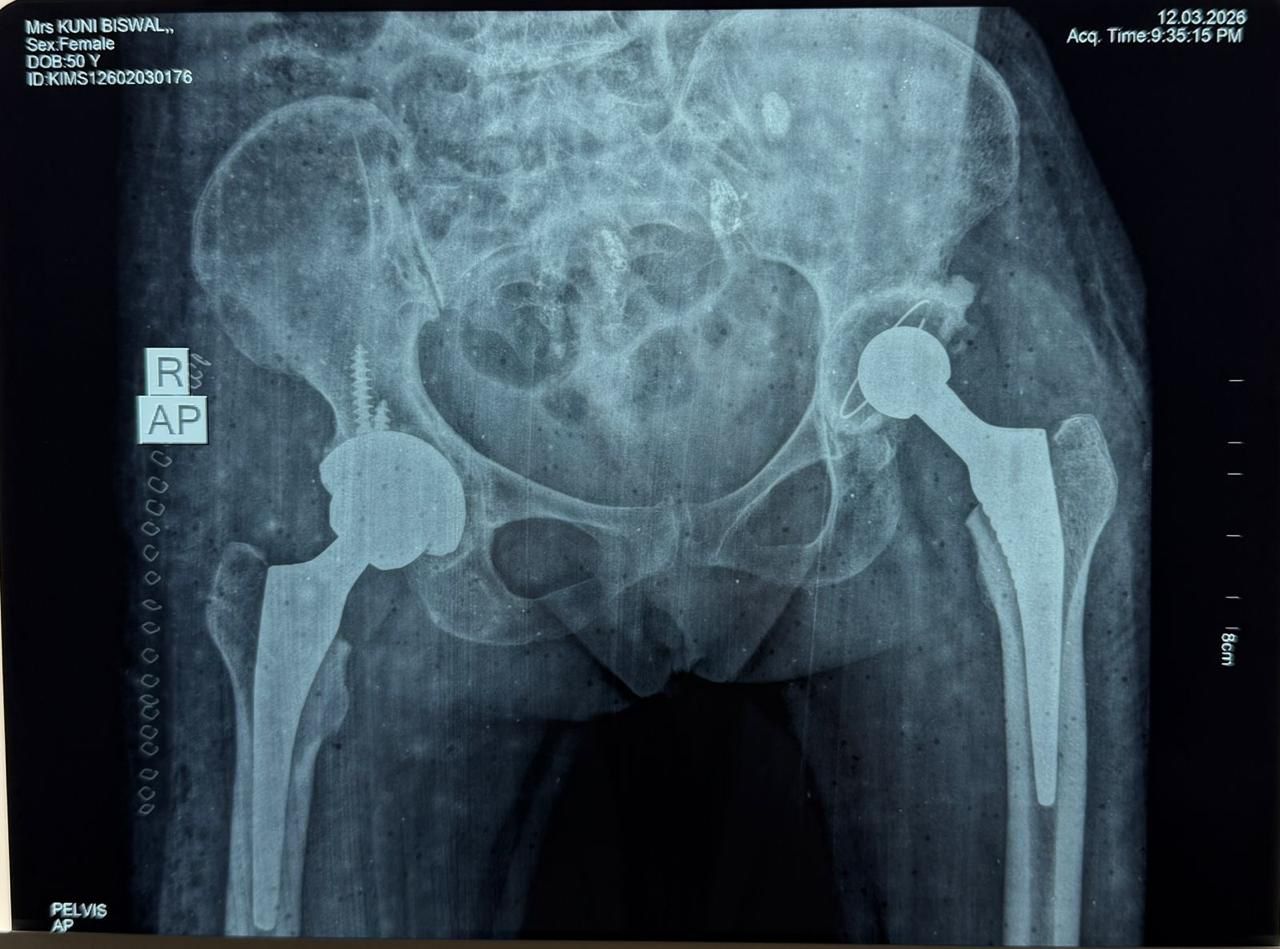
Hip Replacement Treatment Process
A structured approach focused on precision, recovery, and long-term mobility
1
Consultation & Diagnosis
Comprehensive evaluation and imaging to understand the condition and plan the right treatment approach.
2
Pre-Surgical Planning
Comprehensive evaluation and imaging to understand the condition and plan the right treatment approach.
3
Advanced Surgical Procedure
Comprehensive evaluation and imaging to understand the condition and plan the right treatment approach.
4
Recovery & Rehabilitation
Comprehensive evaluation and imaging to understand the condition and plan the right treatment approach.
Frequently Asked Questions
Find answers to common question regarding knee replacement surgery, recovery, and treatment planning.
How long does a modern hip implant last?
With high-grade materials like ceramic and cross-linked polyethylene, modern hip replacements typically last 15 to 20+ years for the vast majority of patients.
When can I return to normal daily activities?
Most patients can resume light daily activities and desk work within 4 to 6 weeks, though complete recovery and sports take about 3 to 6 months.
Will I need assistive walking devices after surgery?
Yes, you will temporarily use a walker or crutches for the first 2 to 4 weeks to protect the joint while it integrates with the bone.
Are there any permanent restrictions after a hip replacement?
While high-impact running or jumping is generally discouraged to prevent implant wear, low-impact activities like swimming, cycling, and golf are highly encouraged.